In short
- Chains required in all vehicles from Nov 1 to Apr 30
- Rule applies even on clear, dry days
- Applies to Highway 330, 18, and 38
In this article
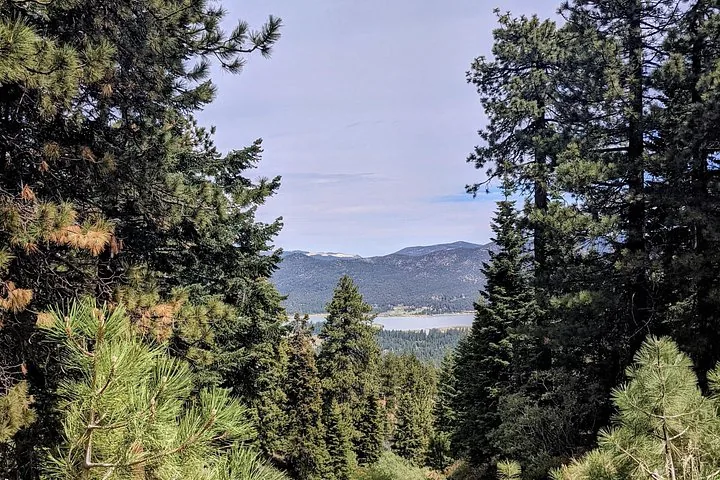
Big Bear Lake is a high-altitude mountain town located about 100 miles from Los Angeles. Because of the heavy winter snowfall, specific driving laws protect visitors on the steep mountain roads.
What is the snow chain law for Big Bear?
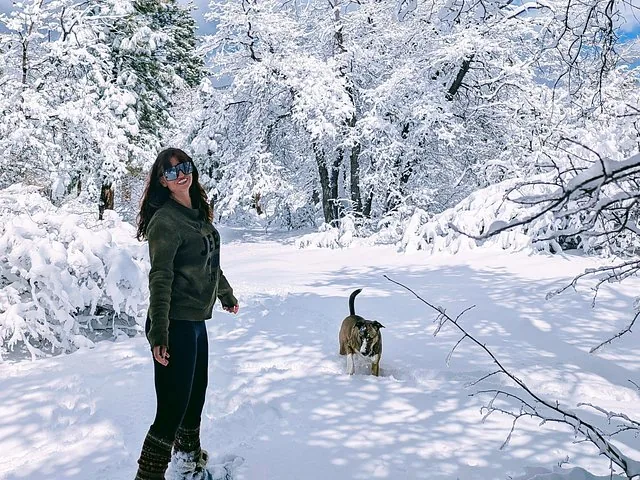
California law requires all vehicles to carry snow chains between November 1 and April 30.
You must keep chains in your car when driving into the San Bernardino Mountains during these months. This rule applies even if the roads are completely clear and dry.
Do 4WD and AWD vehicles need chains?
Yes. All vehicles must carry snow chains during the winter season.
Four-wheel drive and all-wheel drive vehicles handle snow better, but the law still requires you to keep chains inside the car. Highway checkpoints may ask you to show them before letting you proceed.
| Vehicle Type | Must Carry Chains (Nov 1 - Apr 30) |
|---|---|
| 2WD (Front/Rear) | Yes |
| 4WD / AWD | Yes |
| Rental Cars | Yes |
Why are chains required if there is no snow?
Mountain weather changes fast, and snow can fall unexpectedly.
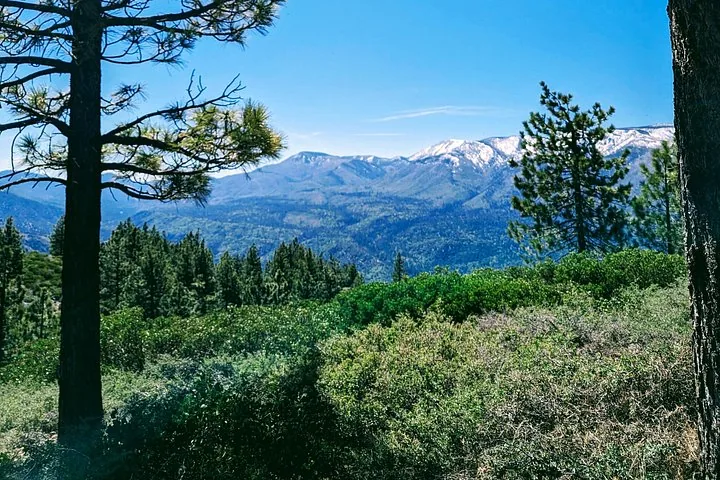
Big Bear sits at 6,743 feet (2,055 meters) above sea level. Even though the area gets 300 days of sunshine a year, winter storms bring heavy snowfall. Road conditions can shift quickly during the 2 to 3-hour drive from Los Angeles.
What should I pack for winter driving?
Pack your snow chains before you leave the city.
- Snow chains for your specific tire size
- Waterproof gloves and snow boots (winter)
- High-altitude sunscreen and lip balm
- Layers for fluctuating mountain temperatures
What roads do you take to Big Bear?
You can drive up Highway 330, Highway 18, or Highway 38.
All three routes lead into the San Bernardino Mountains. Highway 330 from San Bernardino is the most common route. The drive takes about two hours from Los Angeles. You must carry chains on all these mountain highways from November through April.
How do I get around Big Bear in the snow?
You can drive yourself or use the free local trolley.
If you prefer not to drive in the snow, the Free Big Bear Trolley operates within town. It has three routes that cover the ski resorts, the Village, and grocery stores. Mountain Transit also offers buses from San Bernardino.
Questions travellers ask
Is there free parking in Big Bear?
Yes, access to the town and lake is free. However, parking at National Forest trailheads requires a $5 daily Adventure Pass.
Can you visit Big Bear without skiing?
Yes. Non-skiers can enjoy snow tubing at the Alpine Slide at Magic Mountain or visit the Big Bear Discovery Center for educational exhibits.
What is the elevation of Big Bear Lake?
Big Bear Lake sits at an elevation of 6,743 feet (2,055 meters) above sea level.