In short
- Winter (December to March) offers skiing and snow tubing.
- Summer (June to August) is ideal for boating and swimming.
- Fall and spring are quieter seasons with mild weather.
In this article
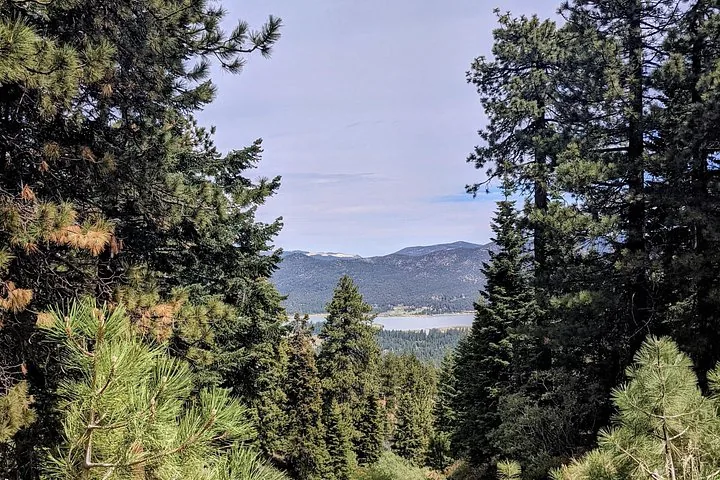
Big Bear Lake is a four-season mountain destination. It attracts over 5 million visitors year-round. At 6,743 feet (2,055 meters) above sea level, the area enjoys over 300 days of sunshine a year.
What is Big Bear like in the winter?
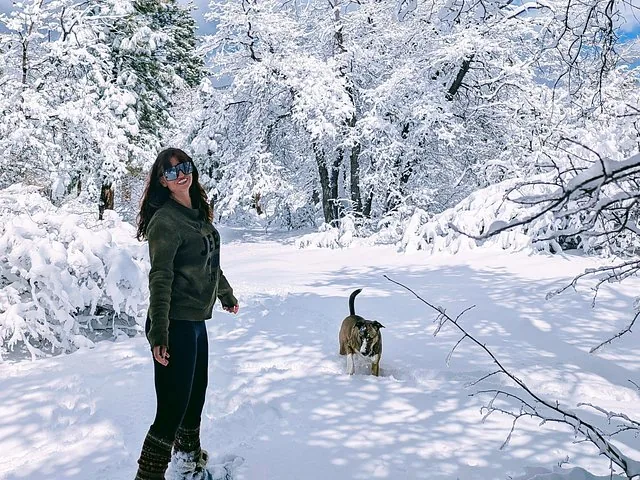
Winter is the peak season for skiing and snowboarding. The season typically runs from late November to early April.
Snow Summit and Bear Mountain offer downhill skiing. Families often visit the Alpine Slide at Magic Mountain for snow tubing. You must carry snow chains in your vehicle between November 1 and April 30.
What is Big Bear like in the summer?
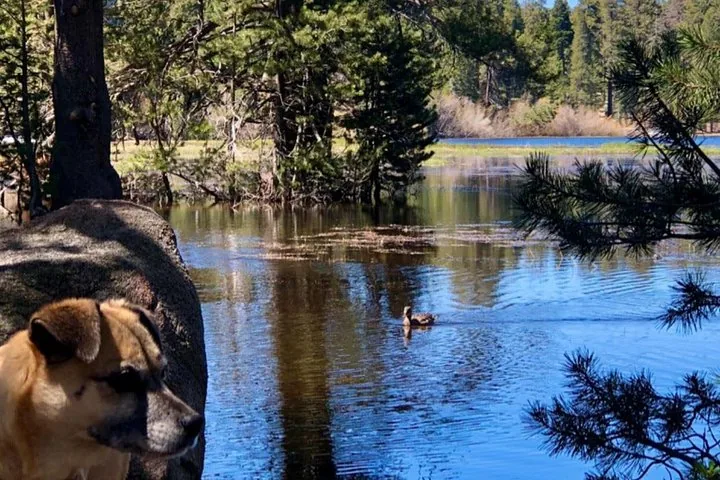
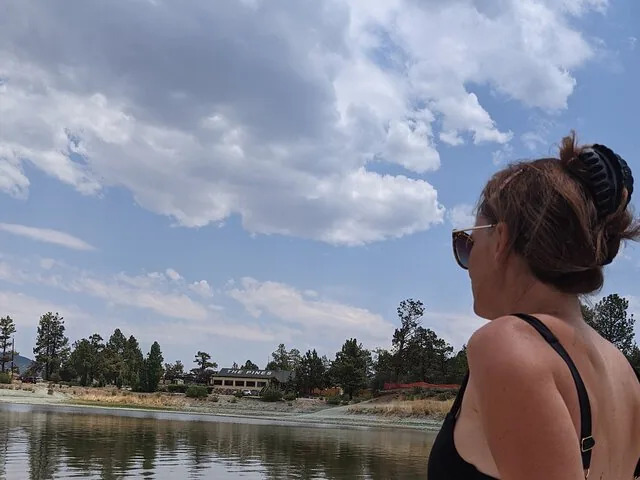
Summer brings warm weather for kayaking, boating, and hiking. The busiest months are June through August.
You can rent pontoon boats at Pine Knot Marina or take a swim. Hikers take on trails like Castle Rock and Cougar Crest. Bring high-altitude sunscreen and a reusable water bottle.
When are the shoulder seasons in Big Bear?
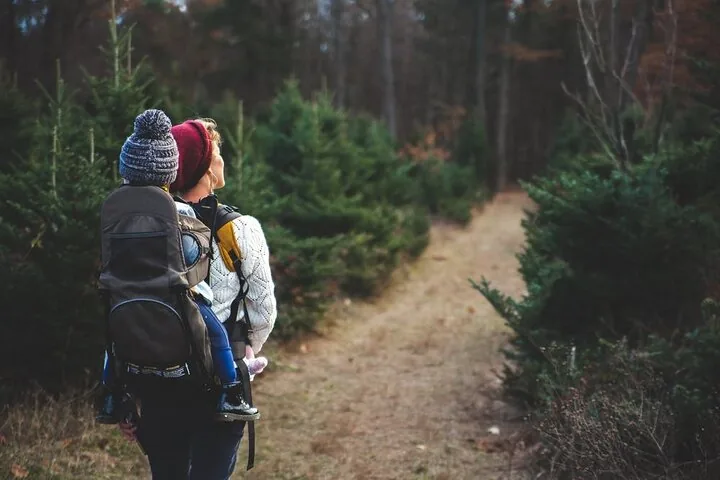
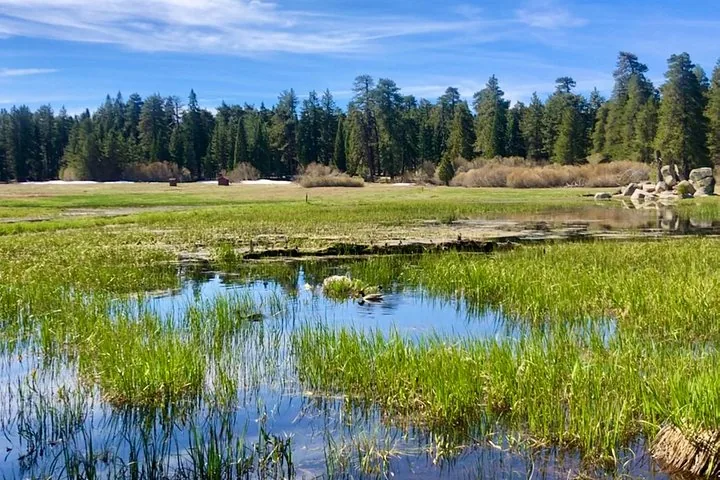
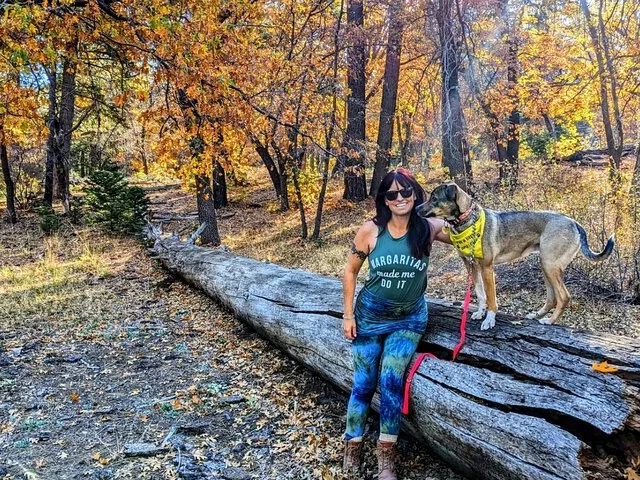
Fall (September to November) and spring (April to May) offer fewer crowds. These are excellent times for hiking and scenic photography.
Fall brings changing colors to the oak trees along the trails. Spring offers cooler temperatures for steep hikes like the 2.7-mile Castle Rock Trail. Parking at National Forest trailheads requires a $5 daily Adventure Pass.
Should I visit Big Bear in summer or winter?
Choose summer for water sports and winter for snow. Both seasons are busy and require advance planning.
Here is a quick look at what each season offers.

Does the weather affect driving to Big Bear?
Yes, winter weather brings strict driving rules. You must carry snow chains in your vehicle from November to April.
This law applies regardless of the current weather conditions. The drive from Los Angeles takes about two to three hours via Highway 330, 18, or 38.
Questions travellers ask
Do I need chains to drive to Big Bear?
Yes. You must carry snow chains in all vehicles between November 1 and April 30, regardless of the weather.
What is the elevation of Big Bear Lake?
The lake sits at an elevation of 6,743 feet (2,055 meters) above sea level.
Can you visit Big Bear without skiing?
Yes. During winter, non-skiers can enjoy snow tubing at the Alpine Slide or book a guided snow play tour.