
FAQ
Frequently Asked Questions
Find fast facts about driving rules, trail permits, and seasonal conditions at Big Bear Lake.
Do I need chains to drive to Big Bear?
Yes. You must carry snow chains in your vehicle between November 1 and April 30. This is legally required regardless of the weather. Read more in our Winter Chain Rules guide.
Do you need an Adventure Pass to hike in Big Bear?
Yes, if you park at a National Forest trailhead. The pass costs $5 daily or $30 annually. See Adventure Pass Guide for details on where to buy it.
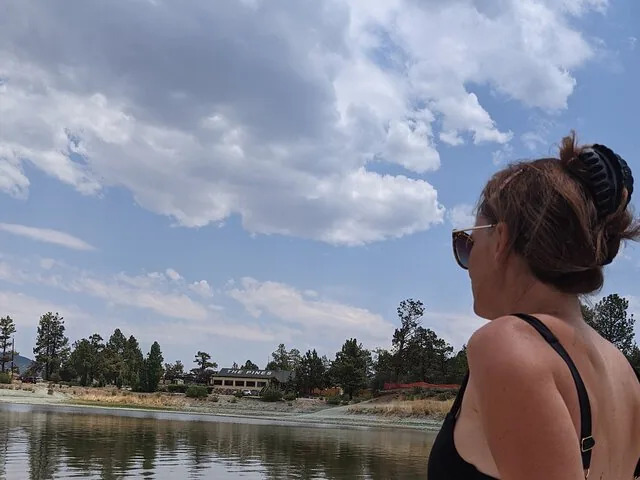
Can you swim in Big Bear Lake?
Yes, swimming is allowed in designated areas. However, you cannot swim off rental boats. The
What is the best time of year to visit Big Bear?
It depends on your interests. Winter is best for skiing (December to March). Summer is ideal for boating and kayaking (June to August).
How far is Big Bear from Los Angeles?
Big Bear Lake is about 100 miles from Los Angeles. The drive typically takes 2 to 3 hours, depending on traffic and route.
Are there real bears in Big Bear?
Yes, there are active bear populations in the San Bernardino Mountains. You must secure your trash and never feed the wildlife.
What is the elevation of Big Bear Lake?
The lake is located at an elevation of 6,743 feet (2,055 meters) above sea level. Drink plenty of water to adjust to the altitude.
Can you visit Big Bear without skiing?
Yes. Winter offers non-skiing activities like snow tubing at the Alpine Slide and guided excursions like the
tour.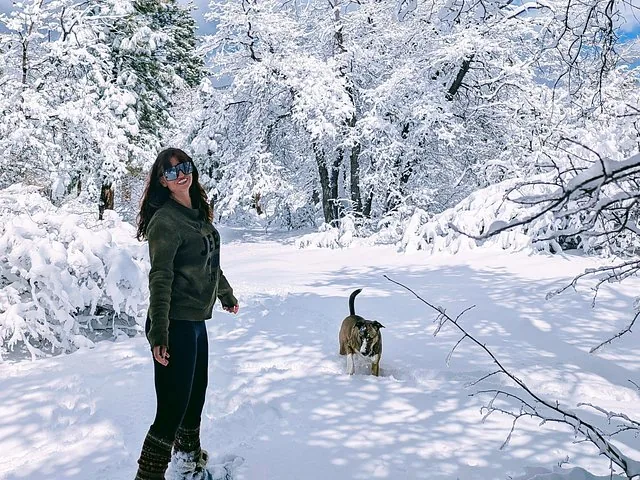
Do I need a permit for my kayak in Big Bear?
All private boats, kayaks, and paddleboards require a Quagga Mussel inspection before launching. Marinas may charge separate launch fees.
How deep is Big Bear Lake?
The lake reaches a maximum depth of 72 feet near the dam. It is approximately 7 miles long and 2.5 miles at its widest point.